
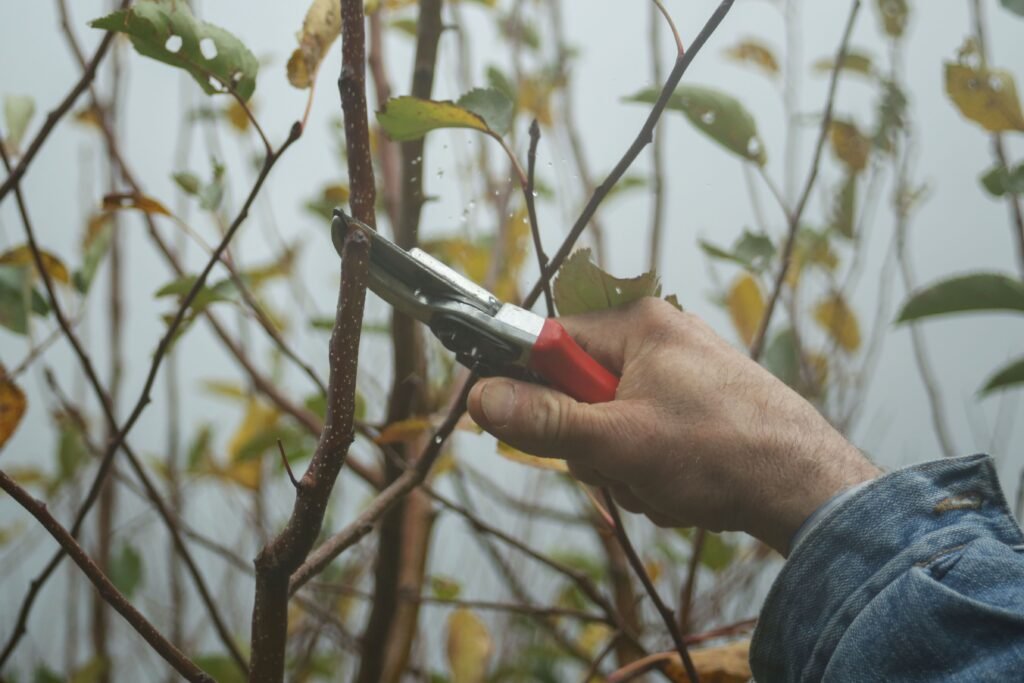
It’s also worth remembering that not all shrubs respond to pruning in the same way. Some benefit from being cut back quite heavily each year, while others need very little attention and can be damaged by excessive trimming. Understanding the needs of each plant is key to keeping your garden looking healthy and well maintained.
The good news is that most common pruning mistakes are easily avoided. With the right timing, a little preparation and the correct techniques, you can keep your shrubs in good condition without compromising their natural shape or future growth.
Here are six common pruning mistakes to look out for and some simple tips on how to avoid them.
1. Pruning at the wrong time of year
One of the biggest mistakes is pruning without considering when a shrub flowers.
For example, cutting back a spring-flowering shrub in late winter could remove all the flower buds before they have a chance to open.
How to avoid it: Find out whether your shrub flowers on old or new growth before picking up your secateurs. As a general guide, prune spring-flowering shrubs after flowering and summer-flowering shrubs in late winter or early spring.
Speak to us for help with understanding your shrubs better.
2. Cutting back too much at once
It can be tempting to give an overgrown shrub a dramatic cut, but removing too much growth in one go can put unnecessary stress on the plant.
Some shrubs respond well to harder pruning, while others may struggle to recover.
How to avoid it: Take a gradual approach where possible. Remove no more than around a third of the plant at a time unless the species is known to tolerate harder renovation pruning.
3. Using blunt or dirty tools
Blunt secateurs and pruning shears can crush or tear stems rather than making clean cuts. Dirty tools can also transfer plant diseases between shrubs.
How to avoid it: Keep your gardening tools sharp, clean and well maintained. Disinfect tools between plants where disease is suspected.
4. Ignoring dead or diseased
Leaving damaged, diseased or dead branches in place can affect the overall appearance of a shrub and, in some cases, allow problems to spread.
How to avoid it: Regularly inspect your shrubs and remove dead, damaged or diseased growth using clean tools. Cut back to healthy wood where appropriate.
5. Pruning everything into the same shape
Not every shrub needs to be trimmed into a neat ball or uniform shape. Cutting everything in the same way can result in unnatural growth and may reduce flowering.
How to avoid it: Consider the natural shape and growth habit of each plant. Aim to maintain its natural structure while removing overcrowded or crossing branches.
6. Forgetting about wildlife
Some garden shrubs provide valuable shelter and nesting opportunities for birds and other wildlife. Cutting them back without checking first could disturb nesting birds.
How to avoid it: Always check shrubs carefully for active nests before carrying out pruning.
Why is regular shrub pruning important?
Pruning isn’t just about keeping your garden looking tidy. When carried out correctly, it offers several benefits:
Keeps your garden looking its best: Well-maintained shrubs create a neater, more balanced and inviting outdoor space.
Encourages healthy growth: Removing dead and damaged branches allows plants to put their energy into healthy new growth.
Improves flowering: Correct seasonal pruning can encourage stronger flowering and more attractive displays.
Maintains shape and size: Regular maintenance helps prevent shrubs from becoming overgrown and taking over surrounding areas.
Improves airflow: Removing overcrowded branches allows better air circulation, helping to reduce the risk of certain fungal diseases.
Should you prune your garden shrubs yourself or hire a professional?
Light pruning and general shrub maintenance can be manageable for many homeowners. However, larger shrubs, established plants and overgrown areas can require more knowledge, specialist tools and experience.
A professional gardener can help identify the type of shrubs you have, determine the correct pruning schedule and carry out the work safely without compromising the health or appearance of your plants.
Regular garden maintenance can also help prevent shrubs from becoming difficult to manage, saving you time and effort in the long run.
Professional gardening service in the South-West London area
At Lyuven Garden and Maintenance, we provide professional and reliable garden maintenance services across South West London.
Whether your garden needs seasonal pruning, shrub maintenance, general tidying or a complete refresh, our friendly and experienced team can help keep your outdoor space looking its best throughout the year.
We understand that every garden is different, which is why we tailor our services to suit your garden’s individual needs.
If your shrubs are looking a little overgrown or you’re not sure where to start, get in touch with Lyuven to discuss how we can help.
Contact Lyuven today to arrange your garden maintenance service and keep your garden looking healthy, tidy and beautiful all year round.